

- Sergey Redin, founder and CEO of REDIN branding agency, shares when a brand should rethink its visual identity and positioning, which specialists should be involved, how to evaluate results — and reflects on well-known cases and his own professional experience.
- In today’s fast-moving business environment, where competition intensifies every year, companies increasingly turn to rebranding to stay relevant and attractive. Rebranding has become a core element of marketing strategy — a way to adapt to constantly changing market conditions.
Not just a sign replacement
- Rebranding is part of a brand’s lifecycle — it is happening all the time. The only question is the scale of change and its impact on company development. It can elevate a business to remarkable heights — or lead it to complete failure. Rebranding allows companies to look at themselves in a new way and express updated meanings that reflect their current stage of growth.
- It is important to distinguish between full rebranding and partial brand renewal. A full rebranding follows deep analysis and is aimed at significant transformation. Research and careful study of customer needs help determine where the brand is heading and what changes are required.
- Partial renewal is closer to a light restyling. It is less about radical change and more about introducing fresh nuances and trends while preserving brand integrity. It is an update process that keeps the brand relevant without destroying its identity.
Why is it needed?
- Brand transformation enables a company to stand out from competitors, attract new customers, and strengthen loyalty among existing ones. It helps adapt products or services to modern expectations, increasing relevance and appeal. Successful rebranding improves not only a company’s image but also supports growth and development, strengthens market position, and creates favorable conditions for further success.
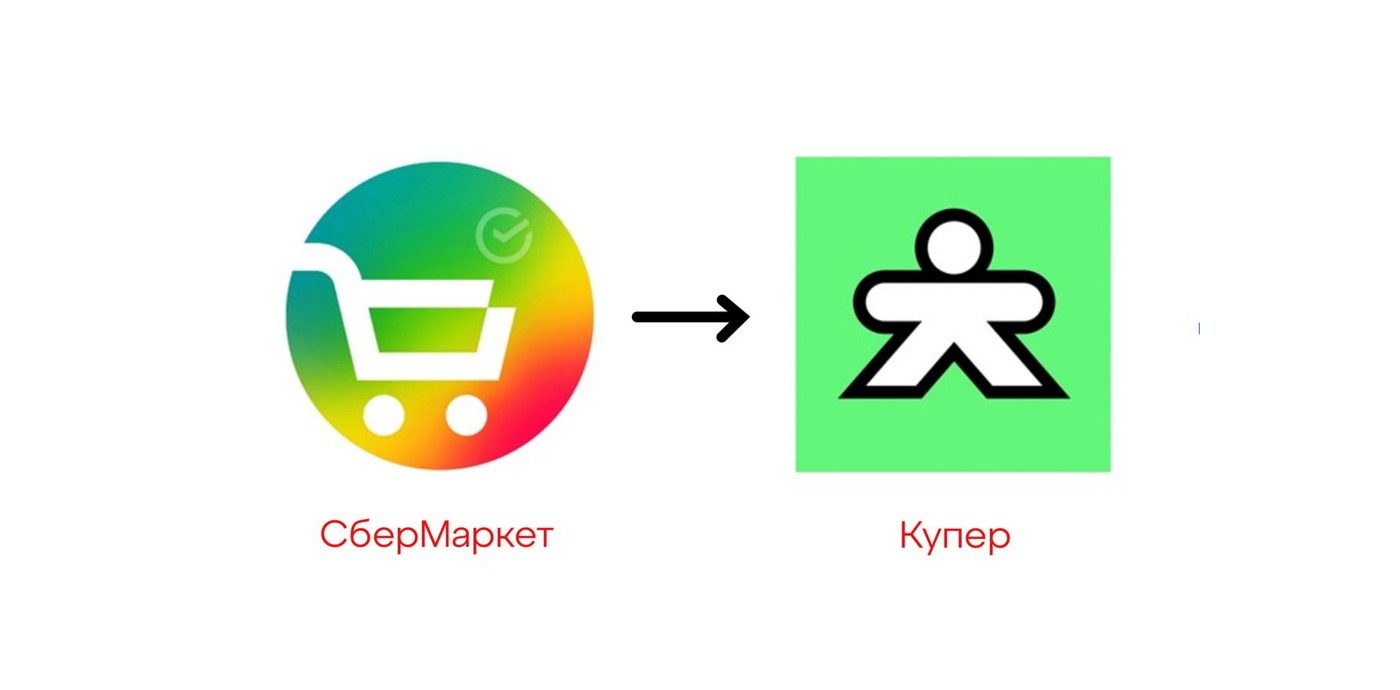
- A recent example from our market is Sbermarket, which rebranded as Kuper. The new brand has not yet fully settled in consumers’ minds, but such a powerful rebranding is backed by a strong strategic concept. After thorough market analysis, they discovered that the word “market” had become so widespread that it was lost among competitors. The desire to stand out motivated them to create a brighter, more distinctive and specific image. It is expected that such differentiation will help them increase competitiveness in the market.
- Depending on corporate goals, rebranding may also aim at market expansion and adaptation to the preferences of a new target audience segment.
- When a company grows into a large holding and reaches significant scale, it inevitably faces the need to rethink its image and values. In our practice, we had several such cases — the most notable was Profi.ru, which included multiple divisions that needed to be united into a coherent whole. Our task was to create a solution that would concisely and effectively communicate all necessary information to consumers. Fortunately, we successfully implemented it.
- A company may also turn to rebranding to eliminate negative perception caused by various factors. Unpleasant incidents — whether a catastrophe such as a plane crash or unethical employee behavior — can seriously damage reputation. Many unforeseen circumstances can sharply worsen public perception. In such cases, the challenge is to reshape that image and build a renewed, positive one.
Main stages of rebranding
- There are five key stages of rebranding:
- 1. Analysis of the current brand and market position.
During image transformation, analysts play a crucial role. The process begins with research: market data is studied, consumer insights are collected, and preferences are analyzed. It is essential to understand how end consumers live and what truly matters to them.
- 2. Defining new brand goals and objectives.
Based on the data collected, new goals and objectives are formulated to strengthen brand positioning, awareness, and customer loyalty.
- 3. Development of a rebranding strategy (including new positioning, mission, and brand values).
Based on the first two stages, an action map is created to outline how the company should evolve. Strategy is, in many ways, a behavioral tactic. It includes understanding which steps will be taken and considering all nuances and aspects that define future actions leading to success.
- 4. Development and implementation of a new visual identity (logo, brand style, packaging).
This is followed by visual changes — whether a full rebranding or a restyling. It inevitably affects the entire product: logo, colors, shapes — everything that conveys new meanings. All of this must be communicated to consumers. It is a natural part of brand evolution.
- 5. Communicating the changes to the target audience and stakeholders.
Rebranding implies not only updating visual identity but also adjusting brand perception. This is carried out through communication across various channels, and it is especially important to clearly convey updated brand values.
Successful rebranding: key points
- There are many components of success. First and foremost, the importance of a strong team and professional involvement should be emphasized: analysts, designers, marketers, PR specialists.
- As mentioned earlier, everything begins with research and deep audience analysis. It should not be a simple survey with questions and answers, but full immersion into the brand’s life. This can be called the foundation of future rebranding, upon which the “load-bearing walls” are built — a clear and consistent action plan.
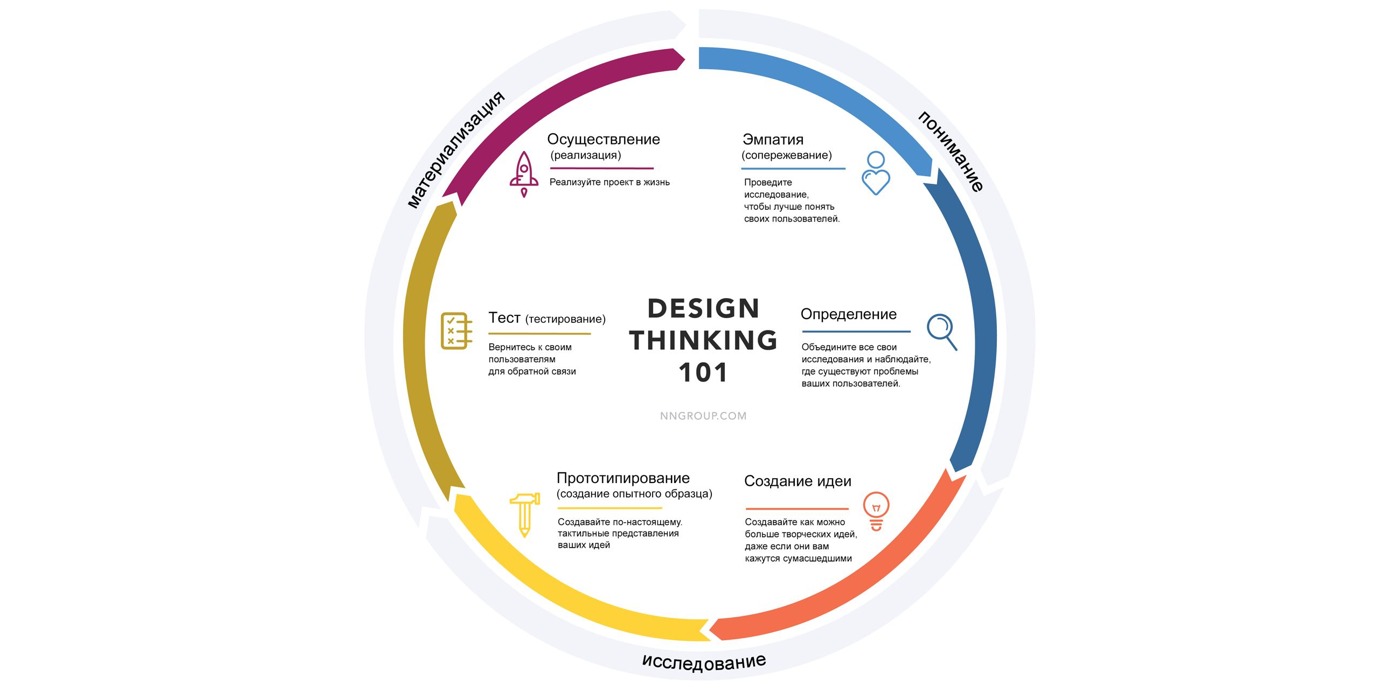
- First, matrices are created and then assembled into a timeline — a story representing a “closed loop” of brand evolution: what is happening now, what can be done, and what lies ahead. A development branch for the brand and its rebranding is structured. This is handled by the discipline of design thinking. design thinking.
- It is also important to preserve fundamental brand values that matter to existing customers. Completely redesigning a brand is impossible, as core elements must remain to retain the current audience. The elements consumers love should be carefully preserved rather than destroyed.
- All channels of interaction between the renewed brand and its audience must be activated, including digital technologies and social media. In today’s world, this is an absolute must-have, as the digital environment is everywhere.
- Finally, evaluating rebranding success requires analyzing results and adjusting strategy when necessary. This need arises almost always, though it is often ignored. The issue typically comes down to pricing and resources. The entire process described above is an extensive work cycle that not all companies undertake due to financial constraints, time investment, or the misconception that analysis is unnecessary — the “work for the sake of work” mindset. This misunderstanding often leads to disappointing outcomes.
- Evaluation and adjustment are conducted within the same timeline framework mentioned earlier and include analyzing changes after implementation. This analytical review helps determine whether changes affected the brand positively or negatively and what corrective actions are required.
Why rebranding does not always lead to success
- Many mistakes can occur on the path to successful rebranding. That is why following the stages and fundamental principles of this complex process is so important.
- We have several illustrative stories. One involved the brand OLAY. Their marketing team asked for our opinion on new product packaging. The first thing we did was shake it — and all the contents spilled out. This shows the team focused on appearance but did not consider functionality and real-life usage. Yet this is also part of the brand. Packaging is not just a beautiful wrapper; it is an integral part of the brand that ends up in the consumer’s hands and leaves a lasting impression of how the company treats its product and customers.
- Another example: at a training seminar in London, at the British Royal College, we were shown a revealing study. A company wondered why their cheese was selling poorly, although the packaging seemed acceptable. Focus groups with pensioners — the target audience — were organized. Participants were asked to open the cheese packaging. Most could not do so within 2–3 minutes, and some could not open it at all.
- Such details can significantly influence brand perception. For example, overly loud music in a venue or an inconvenient step at a café entrance that prevents stroller access — seemingly minor issues may discourage repeat visits. Every detail matters.
- All these aspects must be carefully analyzed and observed. Everything related to the brand — from how staff communicate to background music and employee uniforms — must be thoughtfully delivered to consumers. Only then can excellent results be achieved, bringing satisfaction to customers and profit to the company.
Examples of successful and unsuccessful rebranding
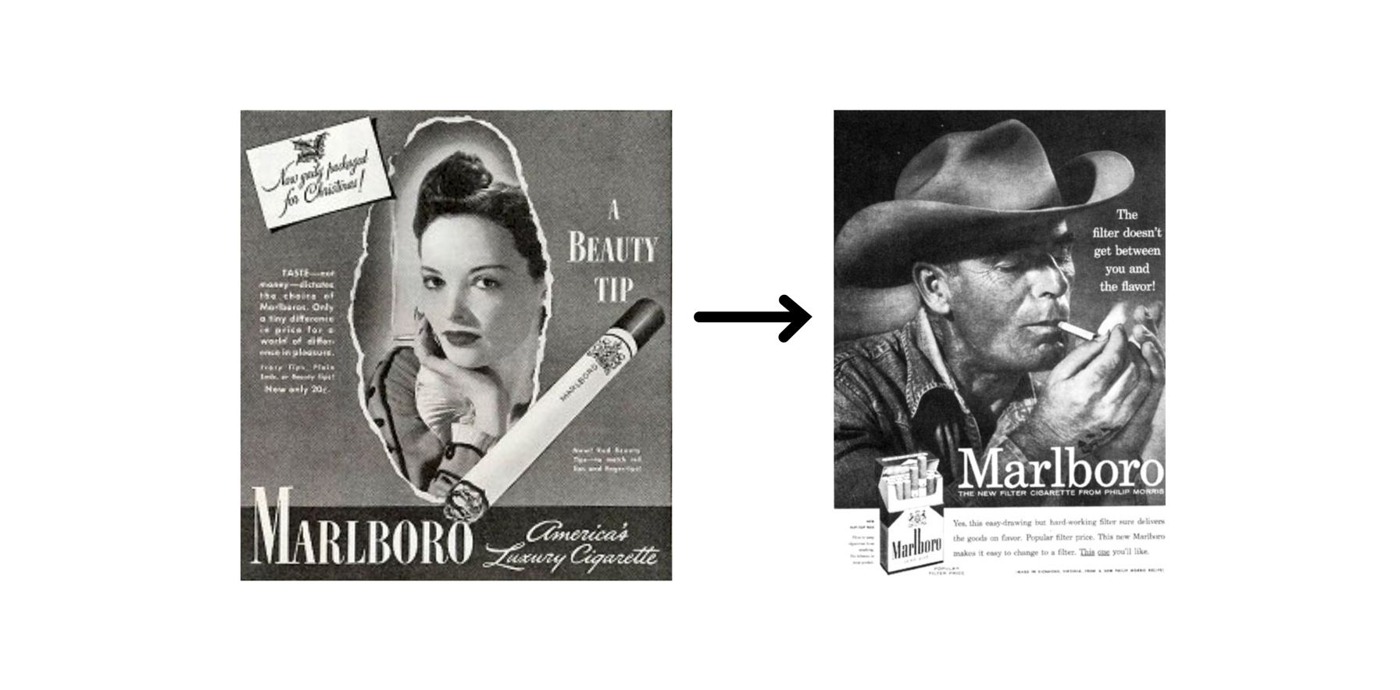
- Speaking of globally known cases, one cannot ignore “Marlboro.” Few people know that the cigarettes were originally targeted at women. After declining sales and market confusion, advertiser Leo Burnett (later founder of the agency bearing his name) developed an innovative campaign centered around the cowboy. This masculine image radically changed brand perception and significantly increased sales.
- There are also unsuccessful examples. One we recall is British Airways. In the mid-1990s, the largest British airline faced a situation where British passengers accounted for less than half of total customers. In response, management decided to make BA more cosmopolitan. The rebranding affected about half of the fleet: planes flying to China featured Chinese characters instead of the British flag; those flying to Russia displayed Khokhloma patterns; aircraft bound for South Africa carried zebra-like stripes. However, consumers did not appreciate these innovations. BA with its new symbolism was perceived not as a global carrier but as a small local company. The brand became diluted and lost its clarity. They had to quickly return to their roots.
How to avoid mistakes
- Many companies underestimate the importance of branding, focusing instead on internal processes. Investing in brand development and renewal brings dividends and growth. Rebranding is not just changing a label — it is a strategic step toward strengthening market position. Companies must strive for more, or risk уступing to more modern and entrepreneurial competitors.
- A brand requires constant attention and renewal to remain relevant. We spoke about cycles: each cycle lasts about three years, during which a new brand gains strength — and then change becomes necessary. Over four years, much can happen, and recent events clearly demonstrate how quickly the world changes. Brands must evolve accordingly.
- My main recommendation for planning and implementing rebranding is to work with trusted companies. There are various associations, for example ABCR, as well as rankings and awards that help identify reliable partners.
- In conclusion, brands are like plants. They require constant care — they need to be “watered,” nurtured, and have withered leaves removed. Without attention, they may survive for some time but will gradually fade. Some brands have lived for centuries. For example, Mercedes: the people who founded the company are long gone, but the brand continues to be “watered,” developed, and supported. As a result, it thrives, grows, and remains relevant and in demand.
Subscribe to our newsletter
Be the first to receive the latest news
Get to know us!
Message us in any messenger, or fill out the form — and we’ll give you a call back
Discuss your project